
"mineral water for coffee"
3000 article(s) found

How to make coffee at home? Where to learn to make coffee?
Professional coffee knowledge exchange More coffee bean information Please pay attention to coffee workshop (Weixin Official Accounts cafe_style) Water is an indispensable element of a good cup of coffee. This article is not about which water is best for brewing coffee, but about the effect of the type of water on the taste of coffee. . Water has hard water and soft water. There are two kinds of drinking water that are good to drink. It does not mean that they can definitely drink.
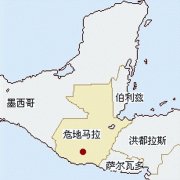
Coffee import declaration, coffee bean import declaration, supply, Guatemala coffee import declaration process
[guide] the Ekatlago Valley rises to 2000 meters (6500 feet), with dense shade and unique ecology, and the nearby Fuego volcano erupts, making its coarse, sandy soil rich in various minerals. Temperate sea breezes from the Pacific Ocean and seasonal climate have raised the Ekatangol Valley in Guatemala Guatemala to 2000 meters (6500 feet).

A brief introduction to the treatment method of grinding degree and baking degree of fine coffee beans in Cuban Crystal Mountain
Crystal Mountain Coffee is the most representative of Cubita, the Chinese trademark Amber. Adhere to the principle of perfect coffee, in order to ensure the quality of coffee, are picked by hand; in order to maintain the flavor of coffee, coffee beans are treated by washing; in order to show the excellence of coffee, coffee is roasted moderately and deeply. Cubita is like an elegant princess with women.
Analysis of the composition of coffee beans what ingredients are contained in a coffee bean?
Raw bean (unit: percentage) moisture: 11.3 fat: 11.7 protein: 11.8 sugar: 8.0 essence: 17.1 caffeine: 1.3 Salmonic acid: 6.0 Minerals: 4.2 crude fiber: 28.6 cooked bean moisture: 2.5 fat: 13.2 protein: 12.8 sugar: 1.8 essence: 29.6 caffeine: 1.3 Salvianolic acid: 4 .0 mineral: 5.2 crude fiber: 29.

Composition Analysis of Coffee beans basic knowledge of Fine Coffee
Raw bean (unit: percentage) moisture: 11.3 fat: 11.7 protein: 11.8 sugar: 8.0 essence: 17.1 caffeine: 1.3 Salmonic acid: 6.0 Minerals: 4.2 crude fiber: 28.6 cooked bean moisture: 2.5 fat: 13.2 protein: 12.8 sugar: 1.8 essence: 29.6 caffeine: 1.3 Salvianolic acid: 4 .0 mineral: 5.2 crude fiber: 29.

Fresh Hawaiian Kona Coffee Flavor Taste the characteristics of the manor area introduce Hawaiian boutique coffee
The quality of the fine Kona coffee is suitable for the right geographical location and climate. Coffee trees grow on the slopes of volcanoes, and their geographical location ensures the altitude needed for coffee to grow; the dark volcanic ash soil provides the necessary minerals for coffee. This is probably due to the fact that Kona Island is rich in volcanic black mud with moderate acidity, rich mineral content and suitable water content. Parallel

Light sour Taste of Tanzania Kilimanjaro Coffee Flavor and Taste introduction to the Manor area
Tanzania is rich in mineral resources. By 2014, the major minerals identified include gold, diamond, iron, nickel, phosphate, coal and various gemstones, ranking fifth in Africa in total. Tanzania also has huge natural gas reserves. According to official data released by Tanzania, Tanzania has proven natural gas reserves of 44 trillion cubic feet, and the total reserves are expected to be at least

The importance of Water in Coffee making
The following is our share of water for coffee making for your reference and discussion.

Analysis of the components of high-quality coffee beans with knowledge
Raw bean (unit: percentage) moisture: 11.3 fat: 11.7 protein: 11.8 sugar: 8.0 essence: 17.1 caffeine: 1.3 Salmonic acid: 6.0 Minerals: 4.2 crude fiber: 28.6 cooked bean moisture: 2.5 fat: 13.2 protein: 12.8 sugar: 1.8 essence: 29.6 caffeine: 1.3 Salvianolic acid: 4 .0 mineral: 5.2 crude fiber: 29.

The effect of brewing water on the taste of coffee in capsule coffee machine
Professional coffee knowledge exchange more coffee bean information Please pay attention to the influence of water quality in coffee workshop (Wechat official account cafe_style) on coffee. SCAA stipulates that water has a TDs value of water, which is an indispensable element of a good cup of coffee. The purpose of this article is not to discuss which kind of water is most suitable for coffee, but to explore the effect of the type of water on the change of coffee taste. . water has hard water and

The Historical Source of White Coffee-- the difference between White Coffee and Black Coffee
As for the origin of the name white coffee, it originated in Ipoh, Malaysia at the beginning of the last century. At that time, a large number of Chinese came to work as miners in tin mines in Ipoh, Malaysia in order to make a living. As they had to work in the harsh environment of sun and rain every day, it was very easy for them to suffer from diseases such as colds and typhoid, but at that time, medical facilities were very backward and there was a lack of necessary medicines.

The impact of environmental changes on coffee what affects the quality of coffee? The relationship between coffee and environment
1. Temperature change: the higher the external temperature, the finer the coffee beans will be ground; otherwise, the coffee beans will be ground coarsely. Generally speaking, the environment for coffee production is 18 to 23 degrees. two。 Changes in humidity: the greater the humidity, the thicker the coffee beans are ground. Compared with temperature and humidity, coffee production is mainly affected by ambient temperature. 3. Water quality requirements: generally speaking 70ppm (minerals in water)

White Coffee History Source--The difference between white coffee and black coffee Malaysia's best white coffee is
Today we are going to discuss the historical origin of white coffee and the difference between white coffee and black coffee in Malaysia. I believe that people who like coffee know what white coffee is, old street white coffee, I believe everyone is familiar with it! The founder of Malaysian coffee culture, the Chinese have also become one of the main consumer groups of white coffee. Coffee over the years.

How to make Jamaican Blue Mountain Coffee
Brew a pot of Blue Mountain Coffee in a classic siphon pot.

Detailed analysis of low molecular weight sugars in coffee beans
Moisture: the water content of coffee beans varies greatly with different processing stages and products. The moisture content of wet coffee beans with film is about 50%, while that of dried raw coffee beans is about 10%-13%. The water content of roasted coffee beans is only less than 5%. The existence of water in coffee beans is the same as other kinds of food and beverages, because it contains a considerable amount of hydration colloid macromolecules.
Changes in coffee knowledge environment affect coffee taste
The change of temperature the higher the external temperature, the finer the coffee beans are ground; otherwise, the coffee beans are ground coarsely. In general, coffee is made in an environment of 18 to 23 degrees. The greater the humidity, the thicker the coffee beans will be ground. Compared with humidity, coffee is mainly affected by ambient temperature. Generally speaking, 70ppm (ratio of mineral content in water) is below

Kona Coffee, a coffee-producing area of Hawaii in the United States, with a geographical environment suitable for growing coffee.
The quality of the fine Kona coffee is suitable for the right geographical location and climate. Coffee trees grow on the slopes of volcanoes, and their geographical location ensures the altitude needed for coffee to grow; the dark volcanic ash soil provides the necessary minerals for coffee. This is probably due to the fact that Kona Island is rich in volcanic black mud with moderate acidity, rich mineral content and suitable water content. And

Detailed Analysis of Coffee Bean ingredients basic knowledge of Fine Coffee
Moisture: the water content of coffee beans varies greatly with different processing stages and products. The moisture content of wet coffee beans with film is about 50%, while that of dried raw coffee beans is about 10%-13%. The water content of roasted coffee beans is only less than 5%. The existence of water in coffee beans is the same as other kinds of food and beverages, because it contains a considerable amount of hydration colloid macromolecules.

How to make coffee by hand? what kind of water and quality do you use to make coffee by hand?
Professional coffee knowledge exchange more information about coffee beans Please follow the coffee workshop (Wechat official account cafe_style) water, which is an indispensable element of a good cup of coffee. The purpose of this article is not to discuss which kind of water is most suitable for hand-brewed coffee, but to explore the effect of the type of water on the change of coffee taste. . water has two kinds of good drinking water: hard water and soft water, which is not equal to

Detailed analysis of the ingredients of coffee beans general knowledge of fine coffee
Moisture: the water content of coffee beans varies greatly with different processing stages and products. The moisture content of wet coffee beans with film is about 50%, while that of dried raw coffee beans is about 10%-13%. The water content of roasted coffee beans is only less than 5%. The existence of water in coffee beans is the same as other kinds of food and beverages, because it contains a considerable amount of hydration colloid macromolecules.